

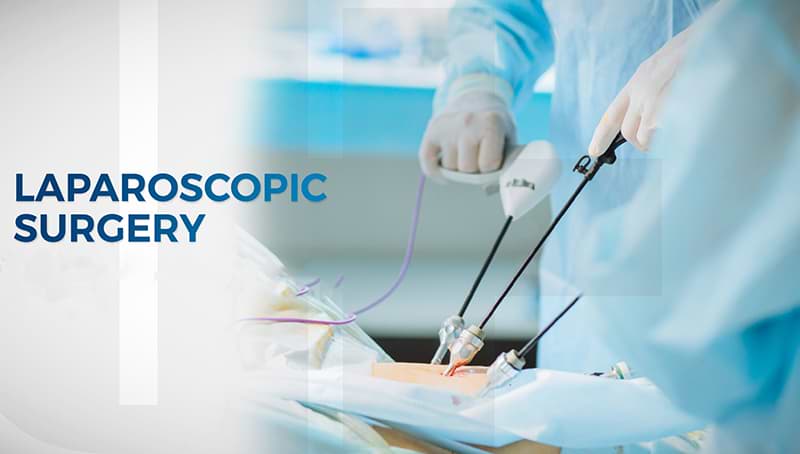
Laparoscopic surgery, also known as minimally invasive surgery, has transformed the way many surgical procedures are performed. Compared to traditional open surgery, it offers significant advantages for patients in terms of comfort, recovery, and overall outcomes. In this article, we explain how laparoscopic surgery works and highlight its key benefits.
What Is Laparoscopic Surgery?
Laparoscopic surgery is a modern surgical technique where operations are performed through small incisions, usually 0.5–1 cm in size. A tiny camera called a laparoscope is inserted through one incision, providing high-resolution images of the internal organs on a monitor. Specialized surgical instruments are inserted through the remaining incisions to perform the procedure.
In contrast, open surgery requires a larger incision to directly access the affected area, which often leads to longer recovery times and more postoperative discomfort.

1. Smaller Incisions and Minimal Scarring
One of the most visible benefits of laparoscopic surgery is smaller incisions.
- Reduced scarring compared to open surgery
- Better cosmetic results
- Lower risk of wound-related complications
For many patients, especially younger individuals or those concerned about appearance, this is a major advantage.
2. Less Postoperative Pain
Because laparoscopic surgery causes less trauma to muscles and tissues, patients typically experience:
- Significantly less postoperative pain
- Reduced need for pain medications
- Greater comfort during recovery
This makes the healing process smoother and less stressful.
3. Faster Recovery and Shorter Hospital Stay
Minimally invasive surgery allows patients to return to normal activities much sooner.
- Shorter hospital stays (often same-day or 1–2 days)
- Faster return to work and daily routines
- Improved overall patient satisfaction
This benefit is particularly important for working professionals and elderly patients.
4. Lower Risk of Infection and Complications
Smaller incisions mean reduced exposure of internal organs, which leads to:
- Lower risk of surgical site infections
- Less blood loss during surgery
- Fewer postoperative complications
As a result, laparoscopic surgery is often considered safer for many procedures.
5. Better Surgical Outcomes and Precision
With high-definition cameras and magnified views, surgeons can operate with greater accuracy.
- Enhanced visualization of organs and tissues
- Precise surgical movements
- Improved long-term outcomes in many cases
This precision contributes to better success rates for procedures such as gallbladder removal, hernia repair, appendectomy, and gynecological surgeries.
Is Laparoscopic Surgery Right for You?
While laparoscopic surgery offers many advantages, it may not be suitable for every patient or every condition. Factors such as medical history, type of surgery, and overall health play an important role. A consultation with a qualified surgeon is essential to determine the best surgical approach for you.
Final Thoughts
Laparoscopic surgery has revolutionized modern healthcare by offering less pain, faster recovery, and better outcomes compared to traditional open surgery. For eligible patients, it provides a safer and more comfortable surgical experience.
If you are considering surgery, speak with your healthcare provider to explore whether minimally invasive laparoscopic surgery is the right option for you.