

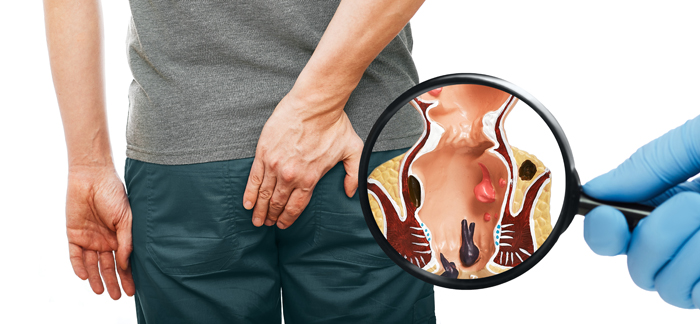
Hemorrhoids, commonly known as piles, are a frequent health concern that many people feel hesitant to discuss. While minor discomfort can often be managed at home, knowing when to transition from home remedies to professional surgical consultation is key to preventing complications and regaining your quality of life.

Recognizing the Red Flags: Signs and Symptoms
Most people experience occasional itching or mild discomfort, but certain symptoms indicate that the condition has progressed. You should book a consultation with a specialist like Dr. Amrinder Pal Singh Thind if you notice:
- Persistent Bleeding: Seeing bright red blood during bowel movements is the most common sign. While usually painless, chronic bleeding can lead to anemia.
- Prolapse: This occurs when internal piles protrude outside the anal opening. If they don’t retract on their own or need to be pushed back manually, medical intervention is necessary.
- Severe Pain or Swelling: Piles are not always painful, but a “thrombosed” hemorrhoid (where a blood clot forms) can cause sudden, excruciating pain and a hard lump.
- Persistent Itching and Discharge: Constant irritation or mucus discharge that doesn’t resolve with over-the-counter creams.

Treatment Pathways: Medical vs. Surgical
The goal of treatment is to match the severity of the condition with the most effective, least invasive approach.
1. Medical & Conservative Management
For early-stage piles (Grade I and II), surgery is often not the first step. Dr. Thind emphasizes ethical, conservative care first:
- Dietary Changes: Increasing fiber intake and hydration to soften stools.
- Medications: Topical ointments and oral medications to reduce inflammation.
- Sitz Baths: Soaking in warm water to soothe the affected area.
2. When Surgery is the Best Option
If conservative methods fail or if the piles are Grade III or IV, surgical intervention becomes the gold standard for long-term relief. Modern surgery is no longer something to fear:
- Rubber Band Ligation: A simple office procedure for smaller piles.
- Laparoscopic & Minimally Invasive Techniques: Advanced methods like Stapler Hemorrhoidopexy or Laser Treatment offer significantly less pain and much faster recovery compared to traditional open surgery.
- Fast Recovery: Most patients return to their normal routine within a few days, thanks to these “keyhole” or “minimally invasive” approaches.
Why Timing Matters
Delaying a visit to a surgeon can turn a simple, treatable case into a complex one requiring more extensive surgery. An early consultation ensures a clear diagnosis—ruling out more serious conditions—and allows for a wider range of treatment options.
Take the first step toward a pain-free life. If you are experiencing symptoms, don’t wait for the pain to become unbearable.