

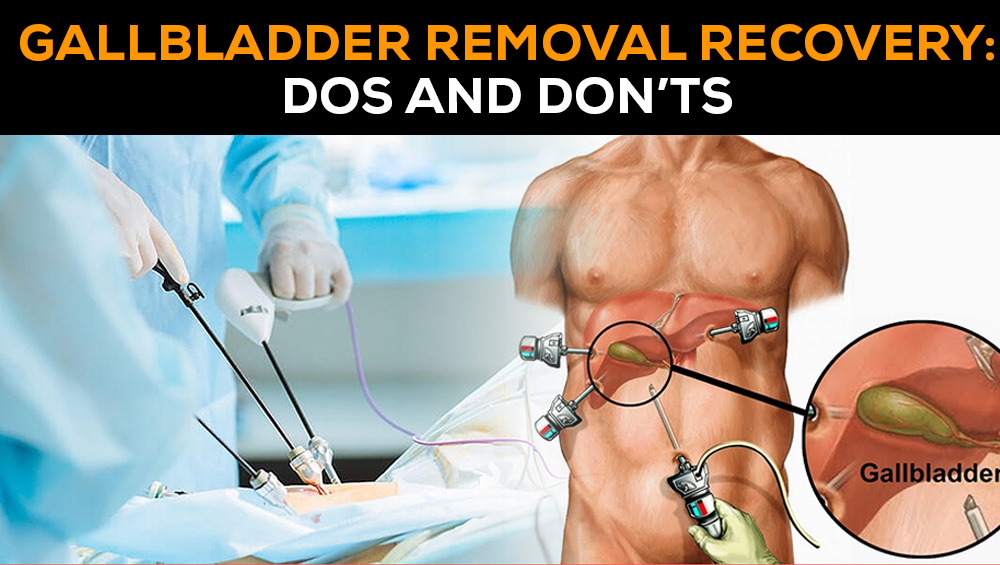
If you’ve recently had your gallbladder removed—or are preparing for surgery—it’s normal to have questions about recovery. What can I eat? How long will it take to feel normal again? Will my digestion change?
The good news is that most people recover very well after laparoscopic gallbladder surgery, especially when they follow the right diet and lifestyle habits. This guide will help you understand what to expect and how to support your body during recovery.

What to Expect After Laparoscopic Gallbladder Surgery
Laparoscopic gallbladder removal is a minimally invasive procedure, so recovery is usually quicker and smoother than open surgery.
In the first few days, you may notice:
- Mild abdominal pain or shoulder pain (due to gas used during surgery)
- Bloating or indigestion
- Fatigue
- Loose stools in some patients
These symptoms are usually temporary and improve as your body adjusts.
Most patients return home within 24 hours and resume normal activities within 1–2 weeks.
Why Diet Matters After Gallbladder Removal
The gallbladder stores bile, which helps digest fats. After removal, bile flows directly from the liver into the intestine. Your body can still digest food—but it may take time to adjust, especially to fatty meals.
That’s why eating the right foods during recovery is essential.
Diet Tips for a Smooth Recovery
1. Start with Light, Easy-to-Digest Foods
In the first few days after surgery, stick to:
- Rice, toast, and crackers
- Boiled or steamed vegetables
- Fruits like bananas and apples
- Yogurt and low-fat curd
- Soups and broths
These foods are gentle on your digestive system.
2. Avoid Fatty and Fried Foods Initially
Fatty foods can cause bloating, diarrhea, or discomfort after surgery.
Limit or avoid:
- Fried foods
- Butter, ghee, cream
- Fast food and packaged snacks
- Oily curries
Gradually reintroduce fats in small amounts as your digestion improves.
3. Eat Smaller, More Frequent Meals
Instead of heavy meals, try:
- 4–6 small meals a day
- Eating slowly and chewing well
This helps your digestive system handle bile flow more comfortably.
4. Stay Hydrated
Drink plenty of:
- Water
- Coconut water
- Clear fluids
Avoid fizzy drinks, alcohol, and excessive caffeine during early recovery.
Lifestyle Tips to Heal Faster
1. Take It Easy, but Keep Moving
Light activity helps prevent stiffness and improves digestion.
- Short walks are encouraged
- Avoid heavy lifting for at least 2–4 weeks
- Gradually increase activity as advised by your doctor
2. Manage Pain and Discomfort Properly
- Take prescribed medications as directed
- Shoulder pain usually settles in a few days
- Avoid self-medicating without medical advice
3. Care for Your Incisions
- Keep surgical wounds clean and dry
- Watch for redness, swelling, or discharge
- Follow your surgeon’s instructions for bathing
4. Listen to Your Body
Everyone recovers at a different pace. Mild digestive changes are common early on, but they usually settle within a few weeks.
When Should You Contact Your Doctor?
Seek medical advice if you experience:
- Severe or worsening abdominal pain
- High fever
- Persistent vomiting
- Yellowing of eyes or skin
- Continuous diarrhea lasting more than a few days
Early attention prevents complications.
Long-Term Life After Gallbladder Removal
Most people live a completely normal life without a gallbladder. Once your body adjusts:
- You can eat a balanced diet
- Digestion stabilizes
- There are no long-term activity restrictions
Maintaining a healthy diet and lifestyle will support overall digestive health.
Final Thoughts
Recovering from gallbladder surgery is usually smooth when you follow simple diet and lifestyle guidelines. Be patient with your body, eat wisely, stay active gently, and don’t hesitate to ask your doctor if you have concerns.
With the right care, you’ll be back to your routine—and feeling better—very soon.